Bollywood adapts Dr. Arnab Jan Deka’s Assamese Novel as Hindi TV serial

It is quite rare an event for Assamese literature to witness India government owned Doordarshan National (DD1) TV channel telecasting award winning Assamese storywriter-novelist-filmmaker Dr. Arnab Jan Deka’s original Assamese novel Natun Kurukhetra adapted into a Hindi TV Serial titled NAYA KURUKSHETRA as PRIMETIME “WEEKEND PREMIER” back in 2021 with repeat telecasts on public demands in subsequent years. The Bollywood serial was produced by Canvas Films & TV. After Bharat Ratna Dr Bhupen Hazarika’s maiden Hindi TV serial Lohit Kinare based on Assamese short stories in 1987, this is the second time Assamese authors’ original works have been showcased in primetime national television of government of India. Dr. Arnab Jan Deka is the youngest Assamese storywriter and novelist to have the honour of his novel been adapted for primetime national television by Doordarshan in India. Earlier, his novel Xoixobote Dhemalite : Childhood Dreams had been adapted as an Assamese TV serial of Guwahati Doordarshan by veteran film producer-director Pramod Barua and Brojen Bora. It is the first time his literature has found recognition from Bollywood at pan-India level through television.

Novelist Dr. Arnab Jan Deka also wrote the screenplay and Hindi dialogues of a large segment of the series. Besides, he was also credited as Associate Director of the series. Veteran Punjabi actor-director Parmod Pabbi directed the serial with Rajan Pabbi, Tarun Pabbi, Vikas Molri and Manish Chopra as producers, Inderjit Bansel and Mukesh Singh as directors of photography, Parmod Pabbi with Arnab Jan Deka, Surinder Bath and Monika Gaur as screenplay and dialogue writers, Sunil Naithani and Akhilesh Singh as editors and Vinod Sehgal as music director. Several actors and actresses from Hindi film and television industry including Assam brand ambassador and famous Hollywood-Bollywood actress Priyanka Chopra’s uncle and popular Hindi film actress Parineeti Chopra’s father Pawan Chopra, Parmod Pabbi, Sharhaan Singh, Saras Bharti, Vicky Rajpurohit, Khushi Malhotra, Surinder Bath, Kamalesh Sharma, Sapna Soni, Aadil Sheikh, Leena Sharma, Ravi Sharma, Anjay Kumar, Vikrant Pabbi, Shammi Dwra, Arvind Suri enacted various major roles in the series. Pawan Chopra also lent his voice to several songs in this production.

Besides Dr. Arnab Jan Deka’s Assamese novel Natun Kurukhetra, the same serial also incorporates late Waesqurni Bora and Dr. Arnab Jan Deka’s co-authored story Kecha Xon and late Dr. Lakshmi Nandan Bora’s novel Patal Bhairabi. All the lovers of Assamese literature and visual art are elated at the all India level creative prominence received by Assamese authors through mainstream visuals.

Aligarh Muslim University LitFest Celebrates Dr Arnab Jan Deka’s 50 years’ writer’s journey

Aligarh(U.P.): Popular Assamese short story writer, novelist, columnist and scholar Dr Arnab Jan Deka’s completion of half a century as a published creative writer has been celebrated at the iconic top Indian academic institution Aligarh Muslim University’s international Literature Festival AMULitFest2025 held from 23rd to 25th of February 2025. On that occasion a commemorative book titled ‘Half A Century of An Incredible Odyssey’ containing compiled research papers, PhD thesis chapters, critical essays and reports on the half-centurion Assamese author’s writings published over the last five decades had been officially launched by top Indian historian, eminent scholar and academic Professor Emeritus Dr Irfan Habib and an English anthology of the writer’s short stories edited by Canadian author and editor Laurinda Hartt Fournier was launched by Somerset Maughm award winner and Booker long-listed British novelist Dr Simon Andrew North at the inaugural session of the literature festival. It is the first occasion when an Assamese author’s half century of writing career has been celebrated outside of Assam by an iconic university of the stature of AMU. Dr Arnab Jan Deka’s short stories are already part of post graduation English literature syllabus of universities in South India, and his novels are already being adapted in Bollywood into popular Hindi TV series telecast by Doordarshan National channel and also under production as feature films.

Addressing the audience, Dr Arnab Jan Deka elaborated in details how the local essence, communal cohabitation practices and legends as well as family heritage shaped his literary senses. He specially referred to the unique religious, cultural and social traditions set up by Srimanta Sankardev five centuries’ back in Assam with active support of disciples and associates from all local communities including Chand Kha from the Islamic community, and also the religious coexistence of Powa Mecca, Haygrib Madhab Temple and Buddhist Stupa at the same place at Hajo near his home city Guwahati. He fondly recalled writing his first Assamese radio-play ‘Mukti’ as a school student of ninth standard and acting in another Urdu language radio-play ‘Idd Mubarak’ later on glorifying the tradition of inter-religious respect and celebration in his native land of Assam, both broadcast by All India Radio Guwahati centre in early 1980s, and stressed on the fact that those creative pursuits were not his political statements or any extraordinary acts, as that is the way of life in Assam universally accepted by Assamese common people. It is pertinent that his first write up appeared in popular Assamese weekly in its issue dated 19 September 1975.

Many celebrated writers from around the world like Dr Geetanjali Singh Chanda, Dr Naved Khan, Dr Mohibul Haq, Dr Alexander Robert Philip, Dr Kamalananda Jha, Dr Rashid Nehal, Dr Ananya Vajpayee, Christophher Flakus, Dr Achingliu Kamei, Mohd Zahid, Dr Siddhartha Chakravarty, Dr Mustaq Ahmad Zargar, Dr Ayesha Munira Rasheed, Dr Nazia Hasan, Dr Sirajuddin Ajmali, Dr Mridula Garg, Dr Shagufta Niyaz, Azra Naqvi, Dr Nasira Sarma, Dr Sanjib Kaushal, Dr Anuradha Marwah beside Dr Deka participated at different panels over the next three days.

The Vice Chancellor of AMU Dr Naima Khatoon hosted Dr Deka at her office for an intimate discussion about bonding between AMU and Assam, during which she recalled her association and friendship with many Assamese individuals, and Dr Deka also fondly recalled his Cotton College English professor and a renowned Assamese poet Navakanta Barua who was also a proud alumnus of English department of AMU. The VC expressed her admiration for Assamese literature and late Barua though she never visited Assam. Dr Deka proposed that AMU should establish an Assamese Department in order to study both the Assamese literature as well as the special inter-communal camaraderie of the multi-religious Assamese nationhood, that may inspire rest of India and world to peacefully cohabit with all religious and ethnic identities.

Eminent scholar Dr Irfan Habib also hosted the invitee Assamese litterateur Dr Deka at his sprawling residence and exchanged historical knowledge about Assam. He expressed happiness for having the honour of officially launching a book amidst an international gathering of writers celebrating completion of half a century of writing career of an Assamese writer and wished Dr Deka a long future of academic and literary excellence. He also discussed about the critical writings and research based papers and theses compiled in the book, and opined that they put Dr Deka’s writings on a high pedestal. Dr Habib also pointed out that several ancient books elaborately mentioned about the existence and significance of the Powa Mecca of Assam as it is fairly well known among the academic circle. He hoped that acknowledgement of Dr Deka’s literary milestone by Aligarh Muslim University will lead to extensive research and deliberations of peculiarity of Assamese heritage and literature at AMU and other institutions of eminence in rest of India and elsewhere.

Accompanying photographs are felicitation of Dr Arnab Jan Deka at Aligarh Muslim Univeristy LitFest by the president Prof. (Dr) Nazia Hasan, official launching of commemorative book on his writer’s journey of half a century by Prof Emeritus Dr Irfan Habib and his English short story collection by Dr Simon Andrew North, delivery of speech by Dr Deka and his conversations with AMU VC Prof (Dr) Naima Khatoon and Professor Emeritus (Dr) Irfan Habib in company of AMU faculties Dr Yasmin Ansari and Dr Shahidul Hoque.

চুইডেনৰ চিত্ৰশিল্পীৰ চিত্ৰ-প্ৰদৰ্শনী, আন্তৰ্জাতিক সহযোগিতাৰে নিৰ্মিত তথ্যচিত্ৰৰে অসমীয়া গল্পকাৰৰ সাহিত্যযাত্ৰাৰ অদ্ধৰ্শতাব্দী উদযাপন

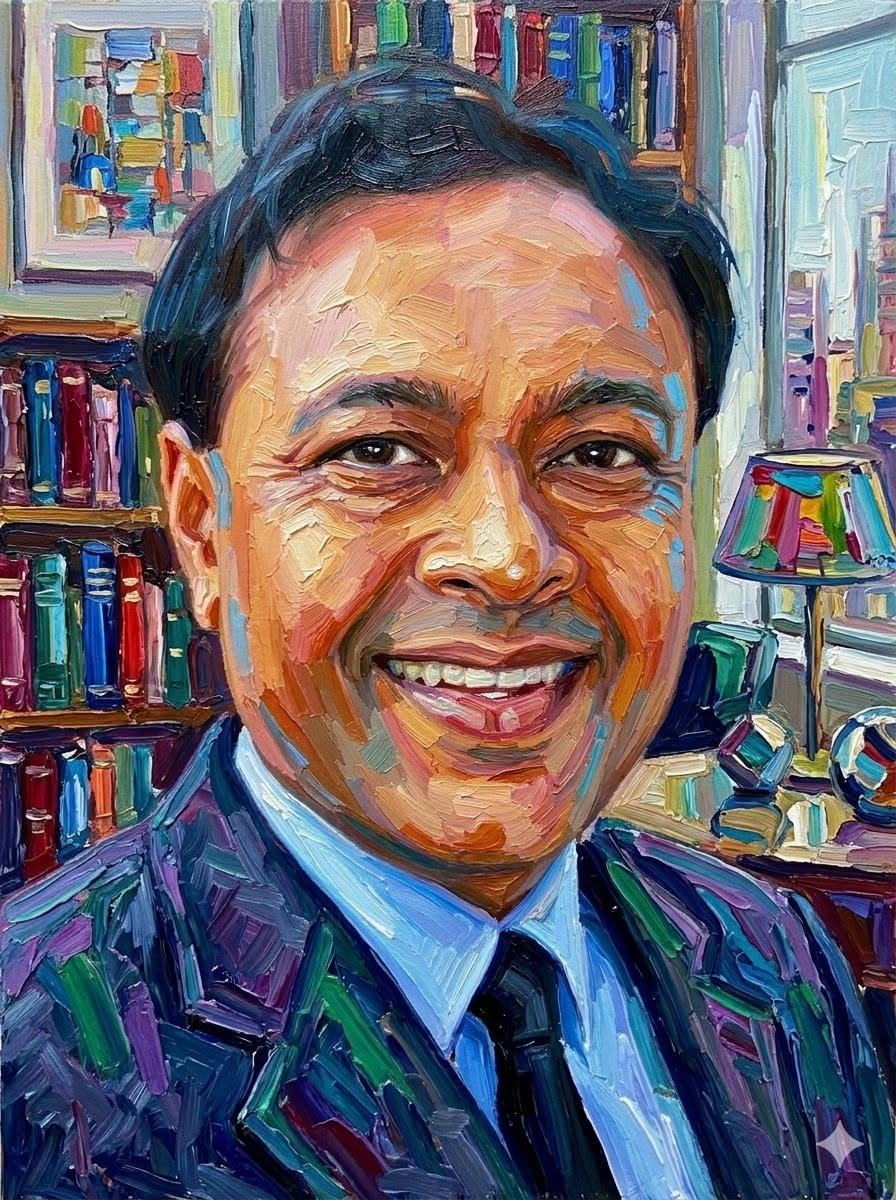
ওঠৰ ছেপ্তেম্বৰ দুহেজাৰ পঁচিশৰ পৰা চুইডেনত অনুষ্ঠিত হোৱা প্ৰখ্যাত চুইডিছ চিত্ৰশিল্পী হেইকো বাস্তেনৰ তৈলচিত্ৰৰ প্ৰদৰ্শনীত তেওঁৰ বাছকবনীয়া কিছু চিত্ৰকলাৰ লগতে অতি শেহতীয়াকৈ তেওঁ অসমীয়া জনপ্ৰিয় গল্পকাৰ ড॰ অৰ্ণৱ জান ডেকাৰ সাহিত্যযাত্ৰাৰ অদ্ধৰ্শতাব্দী পূৰ্ত্তিৰ সৈতে ৰজিতা খুৱাই আঁকি উলিওৱা এখন অভিনৱ তৈলচিত্ৰও প্ৰদৰ্শিত হয়৷ প্ৰখ্যাত বিদেশী চিত্ৰশিল্পীয়ে এনেদৰে পৰ্ট্ৰেট তৈলচিত্ৰ আঁকি সন্মান যঁচা ড॰ ডেকা প্ৰথম আৰু একমাত্ৰ অসমীয়া সাহিত্যিক৷

      উল্লেখনীয় যে বিগত পাঁচটা দশকত সৰ্বমুঠ ডেৰশতকৈয়ো অধিক মৌলিক আৰু গৱেষণা-গ্ৰন্থ অসমীয়া, ইংৰাজী, বাংলা আৰু হিন্দীত প্ৰণয়ন কৰা অসমীয়া সাহিত্যিকগৰাকীৰ প্ৰথম মৌলিক ৰচনা উনৈশ শ পয়সত্তৰ চনৰ উনৈশ ছেপ্টেম্বৰ তাৰিখৰ ‘অসম বাণী’ কাকতত প্ৰকাশ পাইছিল আৰু পৰৱৰ্ত্তী আঢ়ৈকুৰি বছৰধৰি বৰ্ত্তমানলৈকে তেওঁৰ গল্প, প্ৰৱন্ধ, কৱিতা, উপন্যাস আদি অসমৰ আগশাৰীৰ কাকত-আলোচনী প্ৰান্তিক, গৰীয়সী, অসম সাহিত্য সভা পত্ৰিকা, দ্য অসম ট্ৰিবিউন, দৈনিক অসম, দৈনিক জনমভূমি, অগ্ৰদূত, সাদিনৰ পৰা নিয়মীয়া বাৰ্তা, অসমীয়া খবৰ, দ্য ছেণ্টিনেল, আমাৰ অসম, আজি, গণ অধিকাৰ, দৈনন্দিন বাৰ্তা আদিৰ লগতে মেক্সিকোৰ কাকত ৱাক্সাকা টাইমছৰ দৰে বিদেশী পত্ৰিকাতো প্ৰকাশ পাই আহিছে৷ তদুপৰি, দেশ-বিদেশৰ বহু গৱেষণা পত্ৰিকাত তেওঁৰ ব্ৰহ্মপুত্ৰত চীনাবান্ধৰ পাৰিপাৰ্শ্বিক ভাবুকি, ভাৰতীয় চিনেমাৰ প্ৰকৃত বাটকটীয়া চলচ্চিত্ৰকাৰ, শংকৰদেৱৰ কলাবস্তুৰ আধুনিক প্ৰযুক্তিসন্মত উপাদান আদি বিষয়ক বহু গৱেষণা-পত্ৰও প্ৰকাশ পাই আহিছে৷ শৈক্ষিকভাৱে চিভিল ইঞ্জিনিয়াৰিং, আইন, কম্পিউটাৰ বিজ্ঞান, গণসংযোগৰ ডিগ্ৰীধাৰী ড॰ ডেকাই গণসংযোগ আৰু সাংবাদিকতা বিষয়ত পিএইচডি উপাধি অৰ্জন কৰিছে৷

        এই অসমীয়া লেখক-গৱেষকগৰাকীৰ পাঁচদশকজোৰা বৌদ্ধিক অৱদানৰ স্বীকৃতিৰে অলপতে বিশ্বপ্ৰসিদ্ধ আলিগড় মুছলিম বিশ্ববিদ্যালয়ে দুখন ইংৰাজী গ্ৰন্থ কিংবদন্তি হৈ পৰা ইতিহাসবিদ-সমাজবিজ্ঞানী ড॰ ইৰফান হবিব আৰু বুকাৰ মনোনীত বৃটিছ ঔপন্যাসিক ড॰ ছাইমন এণ্ড্ৰিউ নৰ্থৰ হতুৱাই উন্মোচন কৰাই ড॰ ডেকাকো বিশ্ববিদা্যালয়খনৰ আন্তৰ্জাতিক সাহিত্য উৎসৱত সম্বদ্ধৰ্না জ্ঞাপন কৰে৷

        অসমীয়া লেখকগৰাকীৰ সুদীৰ্ঘ বৌদ্ধিক যাত্ৰাত আন্তৰ্জাতিক স্তৰত সহযোগী হৈ কাম কৰি অহা চুইডেন, ইটালী, আমেৰিকা যুক্তৰাষ্ট্ৰ, নেডাৰলেণ্ড, হাংগেৰী প্ৰভৃতি দেশৰ বহুকেইগৰাকী বিশিষ্ট চিত্ৰশিল্পী, লেখক, বিজ্ঞানী, প্ৰযুক্তিবিদ, চলচ্ছিত্ৰকাৰ, পৰিৱেশবিদৰ বক্তৱ্যৰ দৃশ্যগ্ৰহণেৰে এখন নিৰ্মিয়মান ইংৰাজী তথ্যচিত্ৰও এই উপলক্ষ্যত শুভমুক্তি লাভ কৰিব৷ ড॰ ডেকাৰ সৈতে যুগ্মভাৱে গ্ৰন্থ ৰচনা, নদী-গৱেষণা, চলচ্ছিত্ৰ নিৰ্মাণ, পৰিৱেশসন্মত প্ৰযুক্তি উদ্ভাৱন, ব্ৰহ্মপুত্ৰকেন্দ্ৰিক গল্প আৰু কৱিতাৰ চিত্ৰায়নেৰে তৈলচিত্ৰ অংকন আদি বহুৰাষ্ট্ৰীয় প্ৰকল্পত কাম কৰি অহা নেডাৰলেণ্ডৰ চিত্ৰশিল্পী মিৰিয়াম ডেইক আৰু নদীবিজ্ঞানী অধ্যাপক ড॰ কনষ্টেনটিন অউৰেল ষ্টেৰে, আমেৰিকান লেখিকা বাৰবাৰা এন কিং, ইটালিয়ান কৱি আৰু সমাজবিজ্ঞানী ড॰ এণ্টনিয়েট্টা দি লোৰেঞ্জো, চুইডেনৰ কৱি অৰ্ভিদা স্বেনস্কে আৰু চিত্ৰশিল্পী হেইকো বাস্তেন, কানাডাৰ লেখিকা, চলচ্ছিত্ৰ সমালোচক, সাহিত্য সম্পাদক তথা বিশ্ববিদ্যালয়ৰ অধ্যাপিকা লউৰিন্দা হাৰ্ট-ফৰ্ণিয়েঁ, আমেৰিকাৰ প্ৰখ্যাত মাছাচুছেটছ ইনষ্টিটিউট অৱ টেকনোলোজীৰ শিক্ষক গোৱেনদফ জোনছ আৰু নদী-বিশেষজ্ঞ টেৰি ষ্টিফলাৰ, স্পেইনৰ ঔপন্যাসিকা, চলচ্ছিত্ৰৰ চিত্ৰনাট্যকাৰ-পৰিচালক ক্লেয়াৰ এলিজাবেথ টেৰী প্ৰভৃতি বিশিষ্ট ব্যক্তিয়ে এই তথ্যচিত্ৰৰবাবে ড॰ অৰ্ণৱ জান ডেকাৰ সৈতে কাম কৰা স্মৰণীয় অভিজ্ঞতা বৰ্ণনা কৰে৷

অসম-নিৱাসী এজন অসমীয়া লেখকৰ সাহিত্যিক জীৱনৰ পঞ্চাশ বছৰজোৰা সাফল্যই এনেদৰে বিশ্বৰ বিভিন্ন দেশৰ বিশিষ্ট বৌদ্ধিক আৰু সৃষ্টিশীল লোকৰ সমাদৰ লাভ কৰাটো এই বিৰল পৰিঘটনা বুলি সচেতন অসমীয়া সাহিত্যানুৰাগীয়ে মত প্ৰকাশ কৰিছে৷

Swedish artist’s exhibition displayed Assamese author Dr Arnab Jan Deka’s portrait : Film with international collaboration to be released marking his 50 years’ journey

Reputed painter from Sweden Heico Basten has just finished a portrait of Assamese storywriter, novelist, filmmaker, scholar Dr Arnab Jan Deka, which was showcased from 18th of September 2025 at his solo painting exhibition held in Sweden. He painted this special abstract portrait as a mark of his appreciatory tribute to the Assamese author commemorating the significant milestone of the Assamese author’s completion of half a century as a published writer.

A documentary film on the Assamese author will also be premiered on this occasion, that was made in collaboration with several leading figures in literature, fine art, science, cinema, river engineering and environmental study from The Netherlands, Canada, Hungary, Sweden, USA, Italy, Great Britain, Spain and Mexico, who earlier worked in several important trans-continental projects with Dr Deka. Dutch artist Mirjam Dijk, Canadian writer, book editor, film critic and university teacher Laurinda Hartt-Fournier, Italian poet-social scientist Dr Antonietta Di Lorenzo, Romanian-origin Dutch river scientist Dr Constantin Aurel Stere, American writer Barbara Ann King, river scientist and film scriptwriter Terri Stiffler, Swedish poet Arvida Svenske and artist Heico Basten, Hungarian novelist and painter Ildiko Hilde Szabo, Boston based Massachusetts Institute of Technology faculty Gwyndaf Jones, Spain based novelist and filmmaker Claire Elizabeth Terry, Mexican actress Betzabel Falfan, British sculptor and poet William West and several others evocatively spoke about their working experiences with the Assamese author and several important other aspects.

Incidentally, Dr Arnab Jan Deka’s literary journey began on 19 September 1975 when his first writing appeared in the reputed Assamese weekly ‘Asam Bani’ and he went on writing in almost all prominent English and Assamese dailies, weeklies and periodicals in Assam including The Assam Tribune, The Sentinel, Dainik Asam, Dainik Janambhumi, Dainik Agradoot, Sadin, Prantik, Goriyoshi, Assam Sahitya Sabha Patrika, Niyomiya Barta, Amar Asam and also in many leading national and international research journals. Till the completion of half a century of this unique literary journey, he authored more than one hundred fifty books, and also directed the first documentary film on Srimanta Sankardev back in 1996, which held its global premier in Atlantic City in the USA in 1997. His novels and short stories had been adapted in Bollywood, and the mega Hindi TV serial ‘Naya Kurukshetra’ based on his Assamese novel ‘Natun Kurukhetra’ telecast over Doordarshan National TV channel went on to become outstanding success enjoying repeat telecasts since 2021.

Earlier, his monumental literary contributions had been acknowledged by the iconic Aligarh Muslim University with the official launch of two English books containing literary criticism and research papers on his works as well as English translations of some of his original Assamese short stories. Legendary historian Dr Irfan Habib and Booker nominated popular British novelist Dr Simon Andrew North officially launched these books at a function attended by prominent literary figures from India and overseas, where Dr Deka was also extended public felicitations by the AMU.

A Study of How Writers from Northeast India Use English to Narrate Unique Cultural Experience: Special Reference to Mamang Dai and Arnab Jan Deka

Santanu Bhargav*

Independent Researcher

bhargava.publications@gmail.com

International Journal of Scientific Research and Technology

An open access peer-reviewed journal aiming to communicate high quality original research work that contribute scientific knowledge related to the field of Science and Technology.

(ISO 9001:2015 Certified International Journal) ISSN: 2394-7063; CODEN(USA): IJSRT00

Research Paper | Open Access

Volume 02 | Issue 10 | Article Id IJSRT/250309009

Santanu Bhargav*, A Study of How Writers from Northeast India Use English to Narrate Unique Cultural Experience: Special Reference to Mamang Dai and Arnab Jan Deka, Int. J. Sci. R. Tech., 2025, 2 (10), 62-66. https://doi.org/10.5281/zenodo.17277568

Abstract

This paper examines how two prominent writers from Northeast India—Mamang Dai (Arunachal Pradesh) and Arnab Jan Deka (Assam)—mobilize English to narrate place, memory, and identity. Drawing on poems, novels, bilingual projects, paratexts (interviews), and secondary criticism on Indian English and North-East Indian Anglophone literature, the study shows that both writers (i) indigenize English through lexical borrowing, rhythm, and imagery grounded in riverine–mountain ecologies; (ii) use English strategically for cross-regional circulation while retaining indigenous epistemologies; and (iii) adopt hybrid/bilingual tactics (including translation and collaborative bilingual publication) to preserve local textures and transmit them to wider publics. The analysis combines close reading with discourse-analytic attention to code-mixing/hybridity frameworks and situates the findings within current scholarship on Northeast Indian Anglophone writing.

Keywords

Northeast India; Indian English; linguistic hybridity; code-switching; indigenous modernity; Mamang Dai; Arnab Jan Deka

Introduction

English in India has moved from colonial imposition to a plural, vernacularized resource for interethnic communication and literary expression. Contemporary debates emphasize both its national connective function and its tensions with linguistic diversity. These debates are especially pronounced in the Northeast, a region of intense multilingualism and dense oral traditions. In this milieu, Mamang Dai and Arnab Jan Deka exemplify distinct yet convergent ways of “making English local”: Dai’s mountain-river poetics and historical fiction embed Adi cultural memory; Deka’s cross-genre and bilingual projects (English/Assamese) stage the Brahmaputra as archive and pathway.

2. Literature Review

Two strands of scholarship frame this study:

  1. Northeast Indian Anglophone Literature (NIAL): Recent overviews identify a vibrant Anglophone corpus from the region that negotiates “insides/outsides,” mobility, and marginalization while retooling English to carry local myth and memory.
  2. English, Hybridity, and Code-switching: Indian English writing often features code-mixing, localized lexicon, and culture-specific narrative structures; recent work underscores hybridity as both linguistic strategy and identity politics. Though much of this research is pan-Indian rather than NE-specific, its insights apply to Dai’s and Deka’s indigenization of English.

Interviews and critical profiles of Mamang Dai further illuminate her self-positioning as a writer who translates land, ritual, and memory into English while drawing on journalism and folklore.

3. Objectives

  • To analyse how Dai and Deka adapt English to represent Northeast Indian cultural experiences.
  • To identify textual strategies (lexical indigenization, imagery, narrative structure, bilingual presentation).
  • To relate these strategies to broader debates on Indian English, indigeneity, and linguistic plurality.

4. Research Methodology

Design: Qualitative, text-analytic case study of two authors.
Materials:

  • Primary texts: poems/poetics pages by Mamang Dai; novelistic/poetry and bilingual publications by Arnab Jan Deka.
  • Paratexts: author interviews and profiles.
  • Secondary criticism: NIAL overviews; studies of hybridity/code-switching in Indian English.
    Methods: Close reading; intertextual comparison; discourse analysis of lexical choices and imagery; contextualization with critical scholarship. Citations are provided to online sources of record (press, journals, publishers), with short quotes (≤25 words) under fair use.

5.  Analysis

5.1 In general view:

The Northeast of India, comprising eight states, has long been characterized by its ethnic diversity, vibrant oral traditions, folklore, and complex socio-political realities. However, mainstream Indian English literature historically marginalized voices from this region. Especially since the late 20th century, writers from the Northeast—such as Temsula Ao, Easterine Kire, Mamang Dai, Dhruba Hazarika, Mitra Phukan, Indira Goswami, Siddhartha Deb and many more—have increasingly employed English not just as a colonial legacy but as a creative tool to articulate local histories, myths, conflicts, and lived experiences. Their writing illustrates the ways in which English, a global language, becomes indigenized to convey deeply rooted regional identities.

a) English as a Medium of Negotiation

  • Between Local and Global: English allows Northeastern writers to bridge their local realities with a global readership. For example, Easterine Kire’s novels use English to narrate Naga oral traditions, making indigenous stories legible to audiences far beyond the region.
  • Subversion of the Colonial Tongue: By writing in English, these authors reclaim a language of power and reshape it into a vessel of marginal voices. English ceases to be merely foreign; it becomes a hybrid language carrying regional rhythms, cadences, and idioms.

b) Narrative Strategies

  • Incorporation of Oral Traditions: Writers often weave in folktales, myths, and oral histories. Temsula Ao’s Laburnum for My Head reflects the oral storytelling tradition, blurring the line between myth and realism.
  • Use of Local Lexicon: English is peppered with untranslated words from Assamese, Mizo, Khasi, or Naga languages, preserving cultural specificity. This “code-switching” not only resists homogenization but also asserts identity.
  • Landscape as Character: The region’s geography—its hills, rivers, forests—becomes central to narration. Mamang Dai, for instance, treats the landscape of Arunachal Pradesh as an archive of memory and spirituality.
  • Interplay of Memory and Trauma: Given the region’s history of insurgency, ethnic strife, and militarization, narratives often explore collective trauma. Siddhartha Deb’s The Point of Return fictionalizes political unrest while retaining human intimacy.

c) Representation of Culture and Identity

  • Multiplicity of Identities: Writers highlight pluralism and hybridity rather than singular “Indian” identity. Each ethnic group’s rituals, festivals, and oral practices complicate the nation’s idea of homogeneity.
  • Gendered Perspectives: Women writers like Indira Goswami and Easterine Kire foreground women’s experiences—ranging from domestic struggles to spiritual strength—placing them at the center of cultural memory.
  • Food, Ritual, and Song: Everyday cultural markers—rice beer, folk songs, harvest rituals—are often given narrative importance, grounding English literature in lived cultural textures.

d) Challenges and Critiques

  • Marginalization within Indian English Literature: Despite critical recognition, Northeastern voices remain peripheral in national syllabi and publishing industries, which often privilege metropolitan centers.
  • Risk of Exoticization: Some argue that writing in English for wider audiences may encourage self-exoticization, where local cultures are stylized for consumption by outsiders.
  • Translation of Experience: English cannot always carry the full essence of oral metaphors or indigenous linguistic nuances, leading to partial representation.

In particular view:

5.2 Mamang Dai: River–Mountain Memory in English

Background & recognition. Dai (b. 1957), a poet, novelist, and journalist from Arunachal Pradesh (Adi community), received India’s Padma Shri (2011) and Sahitya Akademi Award (2017) for The Black Hill. Her oeuvre spans poetry (River Poems), folklore, and novels (The Legends of PensamThe Black Hill). Poetic English indigenized. Dai’s lyrics are renowned for elemental imagery; a representative opening from “Small Towns and the River” reads: “Small towns always remind me of death.” The line’s stark cadence and ritual motif (“only the rituals are permanent”) pair Anglophone minimalism with indigenous cosmology, while the river functions as spiritual and communal chronotope.

Close Reading 1: “Small Towns and the River” (from River Poems)

“Small towns always remind me of death. Our children break their toys with no regrets.”

  • The declarative opening frames small towns through ritual temporality, not geography. Death is cyclical, consistent with Adi philosophies of continuity.
  • The second line naturalizes impermanence; “no regrets” adopts an everyday English idiom but infuses it with ritualized detachment.

“Life and death, life and death, only the rituals are permanent.”

  • Repetition of life and death mimics chanting, reflecting oral performance modes.
  • The paradox “only the rituals are permanent” locates endurance not in matter but in practice, emphasizing ritual continuity.

Commentary: Dai’s short English lines enact ritual temporality. Anglophone minimalism is recharged with oral cadence, allowing Adi cosmology to shape the rhythm of English.

Close Reading 2: Excerpt from The Legends of Pensam (2006)

“It was the time of stories, when the earth was new and the mountains walked and the rivers sang.”

  • the time of stories” situates narrative within mythic temporality.
  • “mountains walked” translates oral myths of animate geography, using English verbs to enact animism.
  • “rivers sang” attributes voice to ecology, aligning with ritual storytelling where rivers are sonic agents.

Commentary: English prose here becomes a cosmological register, not linear history. Dai adapts narrative English into a mythopoetic form that mirrors oral traditions.

Technique summary (Dai):

  • Lexicon & rhythm: everyday English vocabulary with ritual cadence.
  • Focalization: community memory, myth-history braid.
  • Function: English as bridge to national/global readership without diluting local cosmology.

5.3 Arnab Jan Deka: Bilingual Bridges and the Brahmaputra Imaginary

Background & corpus. Deka (Assam) writes across English and Assamese (fiction, essays, biography). His works include Brahmaputra and BeyondGolden Years in Jorhat Engineering College, and Three Short Stories of Arnab Jan Deka (a volume mapped to an MA-English syllabus). He is also notable for bilingual literary experiments with the Brahmaputra as central motif.

Close Reading: A Stanza of Sunlight on the Banks of Brahmaputra (2009, with Tess Joyce)

(English version)

“On the banks of Brahmaputra, the children launch paper boats, carrying sunlight in their fragile sails.”

  • Naming Brahmaputra without gloss centers Assamese geography in English.
  • Children launching paper boats references a common Assamese childhood practice, translated accessibly into English.
  • Sunlight in fragile sails fuses ephemerality with vitality: fragile vessels carrying cosmic light.

(Assamese transliterated parallel)

“Brahmaputrar kinatem sishu-bur kaghazar nouka sailai, suryor kiron bhore sailar majot.”

  • Assamese version carries different sonic rhythm (e.g., sishu-bur for children).
  • Parallel printing allows co-presence of both registers: English for wider circulation, Assamese for cultural resonance.

Commentary: This bilingual stanza enacts parallel bilingualism: English transmits imagery to non-Assamese audiences, Assamese sustains rhythm and intimacy. English is not a replacement but a companion language, preserving indigenous texture.

Technique summary (Deka):

  • Bilingual architecture: paired English/Assamese texts.
  • Lexical strategy: English phrasing retains Assamese place-names and imagery.
  • Function: English as outward-facing medium; Assamese as cultural anchor.

5.4 Convergences and Contrasts

  • Shared: Both use riverine/landscape imagery to embed indigenous worldviews into English; both leverage English as circulation medium.
  • Differences: Dai’s emphasis is lyrical myth-history within English, while Deka focuses on bilingual publication and cultural diplomacy.

6. Findings

Finding 1: English localized via ritual cadence (Dai) and riverine imagery (both).

Finding 2: Bilingual formats (Deka) preserve texture and expand reach.

Finding 3: English functions as cultural “relay” language: enabling circulation while protecting local idioms.

CONCLUSION

Mamang Dai and Arnab Jan Deka demonstrate two complementary strategies of indigenizing English in Northeast Indian literature. Dai’s spare, elemental English renders Adi cosmology in poetic rhythm and mythopoetic prose; Deka’s bilingual projects sustain Assamese while situating the Brahmaputra within a global Anglophone frame. Their works show that English in the Northeast is not imposed but adapted—a medium of cultural memory, ecological voice, and transnational dialogue.

REFERENCE

Primary / Author-focused

  1. Dai, Mamang. River Poems (poems “Small Towns and the River,” “No Dreams”, online selections). Poetry International. (Accessed Aug 2025).
  2. Interviews and profiles. Writers in Conversation (2017); Rupkatha interview (2022).
  3. Recognition and works overview: Padma Shri (2011); Sahitya Akademi Award (2017, The Black Hill); works list.
  4. The Legends of Pensam (critical overview of folklore elements). JETIR (2023).
  5. Deka, Arnab Jan & Tess Joyce. A Stanza of Sunlight on the Banks of Brahmaputra (bilingual English–Assamese). Publication data and reception summary.
  6. Deka, Arnab Jan. Brahmaputra and Beyond (listing). Amazon
  7. Three Short Stories of Arnab Jan Deka: As per Syllabus… Google Books metadata.

Secondary / Contextual

  • South Asian Review (Special Issue). “Northeast Indian Anglophone Literature (NIAL).” (2023).
  • Journal of Namibian Studies. “The ‘NEO Literature’ of North East India.” (2023).
  • ShodhKosh / Granthaalayah Arts Journal. “The Role of English in India’s Literary Festivals and Writing” (2025).
  • KUEY Journal. “Bilingualism and Its Literary Implications in India.” (2024/25).
  • IJMRA IJRSS. “Language and Identity in Indian English Writers’ Works.” (2025).
  • The New Yorker. “Globish for Beginners” (historical overview of English in India). (2010).
  • The New Yorker. “Should a Country Speak a Single Language?” (on linguistic plurality, with India focus). (2024).

ব্রহ্মপুত্রত চীনা বান্ধ আৰু ব্ৰহ্মপুত্ৰৰ পানী চীনলৈ বােৱাই নিবৰ বাবে গােপনে পৰিকল্পনা

–ড° অৰ্ণৱ জান ডেকা

জনসাধাৰণ, 9 December 2010

২০১০ৰ জুলাই মাহত আমেৰিকাৰ বিশ্ববিখ্যাত সংবাদ-পত্ৰ ইণ্টাৰনেশ্যনেল হেৰল্ড ট্রিবিউন আৰু নিউয়র্ক টাইম্ছ তথা জাপানৰ শীর্ষস্থানীয় দৈনিক কাকত ‘আছাহি শিমবুন’ৰ সাংবাদিক ব্ৰহ্মপুত্ৰত চীনা বান্ধ সম্পৰ্কত মোৰ গৱেষণাৰ সাফল্য সম্পৰ্কে সাক্ষাৎকাৰ ল’বলৈ গুৱাহাটীলৈ আহিছিল। ব্ৰহ্মপুত্ৰৰ পানী চীনদেশলৈ বোৱাই নিবৰ বাবে দীৰ্ঘদিন ধৰি চীনে গোপনে পৰিকল্পনা চলাই অহাৰ পিছত শেহতীয়াকৈ ব্ৰহ্মপুত্ৰৰ ওপৰত তিব্বতত বান্ধ নিৰ্মাণ কৰিবলৈ লোৱাৰ আমি তীব্ৰ বিৰোধিতা কৰি বিশ্বজুৰি প্ৰচাৰ চলাই যাবৰ বাবে অসম ফাউণ্ডেশ্যন-ইণ্ডিয়া আৰু অধ্যক্ষ ভৱানন্দ ডেকা ফাউণ্ডেশ্যন নামৰ দুটা স্বেচ্ছাসেৱী সংগঠনৰ তৰফৰ পৰা ব্ৰিটেইনৰ সহযোগত ‘ছেভ দ্য ব্ৰহ্মপুত্ৰ ৰিভাৰ’ নামৰ ইণ্ডো-ব্ৰিটিছ আন্তঃৰাষ্ট্রীয় অভিযান এটা ২০০৯ চনৰ জুলাই মাহত আৰম্ভ কৰি অৰ্জন কৰা সফলতাৰ পিছতেই এই বিশ্ববিখ্যাত কাকতবোৰৰ তৰফৰ পৰা আমাৰ অভিযানক আন্তর্জাতিক মান্যতা দিবলৈ সাক্ষাৎ গ্রহণ কৰিছিল। সেই প্রসংগতে বিশ্ববিখ্যাত জাপানী সাংবাদিক য়ুকিফুমি টাকেউচিয়ে টকিঅ’ৰ পৰা গুৱাহাটীলৈ আহি মোক লগ ধৰি সাক্ষাৎকাৰ লওতে কৈছিল যে চীন দেশে ব্ৰহ্মপুত্ৰৰ পানীভাগ ভাৰত আৰু বাংলাদেশক বঞ্চিত কৰি নিজৰ দেশলৈ বোৱাই নিবৰ বাবে যিবোৰ বান্ধ ব্ৰহ্মপুত্ৰৰ ওপৰত সাজিব লাগিছে, তাৰ পৰিণতি সমগ্ৰ বিশ্বৰ বাবেই অতি ভয়ংকৰ হৈ পৰিব। মই ব্ৰিটিছ সহযোগীৰ সৈতে কৰা গৱেষণাত ধৰা পৰিছিল যে চীনে ব্ৰহ্মপুত্ৰৰ পানীভাগ নিজৰ দেশৰ মধ্যভাগলৈ বোৱাই নি দেশখনৰ ক্রমবর্ধিত পানীৰ নাটনি দূৰ কৰাৰ বাবে ইতিমধ্যে এখন অভিলাষী আঁচনি গ্ৰহণ কৰিছে। গতিকে, চীনৰ সেই গোপন আঁচনিৰ বিৰোধিতা কৰা আমাৰ প্ৰধান অভিযান হৈ পৰিছিল। সেইবাবেই আমাৰ সফল প্ৰচাৰে আন্তৰ্জাতিক মহলক ২০১০ চনতে উদ্বিগ্ন কৰি তুলিছিল।

আমাৰ অভিযানত আহৰণ কৰা তথ্যৰ আধাৰত ভাৰতক ব্ৰহ্মপুত্ৰৰ জলসম্পদৰ পৰা বঞ্চিত কৰি চীন দেশে নিজৰ দেশলৈ ব্ৰহ্মপুত্ৰৰ পানী বোৱাই নিবলৈ বর্তমান নির্মাণ কৰিবলৈ লোৱা বান্ধবোৰৰ নাম, এলেকা আৰু উৎপাদন হ’ব লগীয়া জলবিদ্যুতৰ পৰিমাণ তলৰ তালিকাত উল্লেখ কৰা হ’ল :

মোটুও         কংপো, তিব্বত     ৩৮,০০০ মেগাৱাট।

দাদুকিয়া      কংপো, তিব্বত     ৪৩,৮০০ মেগাৱাট।

লাংঝেন      কংপো, তিব্বত     ১২০০ মেগাৱাট।

ঝোংদা        কংপো, তিব্বত     (নির্ণয় হোৱা নাই)।

ঝাংমূ           লোখা, তিব্বত       ৫১০ মেগাৱাট।

জিয়াচা        লোখা, তিব্বত       ৩২০ মেগাৱাট।

লেংদা         লোখা, তিব্বত       (নির্ণয় হোৱা নাই)।

জিয়েশু       লোখা, তিব্বত       (নির্ণয় হোৱা নাই)।

য়াংহ           শেনোন, তিব্বত    ৯০ মেগাৱাট।

ইয়াৰ উপৰি, সোৱণশিৰি নদীৰ ওপৰত চীনে নির্মাণ কৰিবলৈ লোৱা বান্ধটোৰ বিৱৰণ হ’ল এনে ধৰণৰ :

অসিআংবিলা        লোখা, তিব্বত       ৪৮০ মেগাৱাট।

ব্ৰহ্মপুত্ৰৰ স্বাৰ্থ ৰক্ষাৰ্থে আমাৰ বিভিন্ন আন্তর্জাতিক কার্যসূচী ইতিমধ্যে অভূতপূৰ্ব ৰূপত সফল হোৱাৰ বিপৰীতে অসমৰ বৌদ্ধিক সমাজ আৰু আগশাৰীৰ সংগঠনবোৰে চীনৰ আগ্রাসী আচৰণ সম্বন্ধে সম্পূর্ণ নীৰৱতা অৱলম্বন কৰিছে। ব্ৰহ্মপুত্ৰৰ পানীভাগ নিয়ন্ত্রণ কৰি জলবিদ্যুৎ প্রকল্প নিৰ্মাণৰ বাবে এতিয়া ভাৰত আৰু চীন দেশে সমানেই সক্রিয়তা প্ৰদৰ্শন কৰিবলৈ লৈছে যদিও চীনৰ ক্ষেত্ৰত সম্পূৰ্ণ মৌনব্ৰত লৈ কেৱল ভাৰতীয় সীমাৰ ভিতৰত অৰুণাচল প্ৰদেশত নিৰ্মাণ কৰি থকা সোৱণশিৰি বান্ধৰ বিৰোধিতাতহে অসমৰ কিছু ব্যক্তি আৰু সংগঠন সৰৱ হৈ পৰা দেখা গৈছে।

সম্প্রতি ভাৰত চৰকাৰে আগভাগ লৈ ব্ৰহ্মপুত্ৰৰ মূল উপনৈ সোৱণশিৰি আৰু দিহাং নদীৰ ওপৰত বান্ধ নিৰ্মাণ কৰি আছে। জলবিদ্যুৎ প্রকল্প হিচাপে নিৰ্মাণ কৰিবলৈ লোৱা এই বান্ধৰ কাম অর্ধেকৰো অধিক হৈ যোৱালৈকে সকলো অসমীয়াই নীৰৱ সমৰ্থন দি আছিল। কিন্তু, হঠাতে অসমৰ বহুকেইটা সংগঠনে বান্ধ নিৰ্মাণৰ বিৰুদ্ধে কিছুদিন সৰৱ হৈছিল। তেওঁলোকে মূলতঃ সোৱণশিৰি বান্ধ নিৰ্মাণৰ বিৰুদ্ধে দাবী জোৰদাৰ কৰি তুলিছিল। কিন্তু, অতি আশ্চর্যজনকভাৱে সংগঠনবোৰে কেৱল ভাৰতীয় এলেকাত অৰুণাচল প্ৰদেশত নিৰ্মাণ কৰিবলৈ লোৱা সোৱণশিৰি বান্ধৰহে বিৰোধিতা কৰিছে, চীনে একেখন নদীৰ ওপৰতে উজনিত তিব্বতীয় এলেকাত নিৰ্মাণ কৰি থকা আপাৰ সোৱণশিৰি বান্ধৰ বিৰোধিতা কৰা নাই ।

ইয়াৰ পৰিপ্ৰেক্ষিতত সোৱণশিৰি আৰু দিহাং নৈত ভাৰতীয় বান্ধ নিৰ্মাণৰ আঁৰতনো কোন ব্যক্তি আৰু সংগঠনৰ দাবী আৰু সমৰ্থন আছিল, সেয়া বিচাৰ কৰি চোৱাৰ প্ৰয়োজন আছে। ব্ৰহ্মপুত্র বোর্ডে ১৯৮৬ চনত প্রস্তুত কৰা মাষ্টাৰ প্লেন অব্ ব্ৰহ্মপুত্ৰ বেছিনত অনুমোদন জনোৱা আঁচনিবোৰৰ ভিতৰত অন্যতম আছিল সোৱণশিৰি আৰু দিহাং নৈত বান্ধ নিৰ্মাণ।

Clause: hydropower : Sub-clause : 10.1 : The Brahmaputra basin has large power potential which is about half of the total hydroelectric potential of India. But of the potential of 41,000 MW installed capacity in the basin, the development so far has been meagre, the capacity actually installed being only 125 MW with another 310 MW under implementation. Two large multipurpose projects, the Dihang dam project and the Subansiri dam project have been fully investigated and their reports submitted to Government. Their installed power capacity is 20,000 MW and 4,800 MW respectively.’

Sub-clause : 10.2: “The large block of power which would be generated at the Dihang and Subansiri dams can be used in power intensive industries and for other purposes in North-Eastern Region and the surplus power exported to Eastern and other regions,” Sub-clause:10.3 : “As the sources of cheap hydro-electric power have to be exploited early and fully for the benefit of North Eastern Region in particular and the country at large, steps should be taken to investigate the power intensive industries which can be set up in this.region, as well as other uses ol’ power which contribute to economic development. Also, detailed studies should be made for transmitting large blocks of power beyond the Brahmaputra valley.”

ব্ৰহ্মপুত্ৰ বোৰ্ডৰ ১৯৮৬ চনত প্ৰস্তুত কৰা সেই মাষ্টাৰ প্লেনৰ সমৰ্থন কৰি সদৌ অসম ছাত্ৰ সন্থাই ভাৰতৰ প্ৰধান মন্ত্ৰী ৰাজীৱ গান্ধীক ১৯৮৬ চনৰ ১৪ আগষ্টত দাখিল কৰা স্মাৰক-পত্ৰত সোৱণশিৰি জলবিদ্যুৎ প্রকল্প নিৰ্মাণৰ কাম শীঘ্ৰে আৰম্ভ কৰিবলৈ দাবী জনাইছিল।

‘Para-10 Proper utilization of water resources : Ii is indeed tragic that even after about 40 years of Independence, our waterways have not been put to use for navigation, transport and generation of cheap hydel power although the potential for such power generation is immense and in the order of 43,000 MW… MASU demands that multipurpose hydel schemes for flood control, irrigation and power generation be taken op on a priority basis to utilize the water of the Brahmaputra basin for the national benefit. As a first step, the Subansiri Project may be implemented without any further delay, and sufficient funds may be made available for immediate commencement of the project work. AASU express its strong resentment at the non-inclusion of the Subansiri Project in the 7th Five Year Plan by the Central Government.’

অসমৰ মুখ্যমন্ত্ৰী প্ৰফুল্ল কুমাৰ মহন্তয়ো ব্ৰহ্মপুত্র বোৰ্ডৰ মাষ্টাৰ প্লেনৰ আধাৰত দিহাং আৰু সোৱণশিৰি জলবিদ্যুৎ প্রকল্প নিৰ্মাণৰ কাম শীঘ্ৰে আৰম্ভ কৰিবলৈ দাবী জনাই উত্তৰ প্ৰদেশ পর্যন্ত বিদ্যুৎ পৰিবহণৰ সম্ভাৱনীয়তা সম্বন্ধে উল্লেখ কৰি ভাৰতৰ প্ৰধান মন্ত্ৰী ৰাজীৱ গান্ধীক ১৯৮৮ চনৰ ১৪ ছেপ্টেম্বৰত স্মাৰক পত্ৰ দাখিল কৰিছিল।

Clause : 16: Sub-clause-(vii): Meanwhile, the scheme prepared by the Brahmaputra Board should be implemented. Particularly the Dihang and the Subansiri Projects, which will reduce the immensity of the flood and at the same time generate enough cheap hydro-electric power to feed the regional grids in the entire Northern belt upto Uttar Pradesh should be taken up immediately.

আনহাতে, অসম চুক্তি ৰূপায়ণ সম্বন্ধে পৰামর্শ দিবলৈ পৰিকল্পনা আয়োগে গঠন কৰা এল চি জৈন সমিতিয়ে অসমৰ অৰ্থনৈতিক উন্নয়ৰ বাবে এপ্রিল, ১৯৯০ত দাখিল কৰা প্রতিবেদনতো দিহাং আৰু সোৱণশিৰি জলবিদ্যুৎ প্রকল্পৰ ন্যায্যতা সাব্যস্ত কৰি স্পষ্টভাৱে উল্লেখ কৰিছিল।

Flood Control; Clause 2.43: “In the Brahmaputra valley, two major dams have been fully investigated- a dam on the Dihang high with a live storage of 3 million ha.m at a cost of Rs. 12,171 crores and a dam on the major tributary Subansiri, which will be 257 m. high with a live storage million ha.m. and installed capacity of 4800 MW at cost of Rs. 4200 crore. Both of these dams together to lower the peak flood levels of the Brahmaputra by 1.5 metres.” Clause 2.44: “Since the scope of irrigation in the Brahmaputra valley through surface water is rather limited, the proposed dams have to be justified mainly from the benefits of hydropower generation. Dihang and Subansiri dams ore justified from this angle.”

এই তথ্যবোৰৰ পৰা সন্দেহাতীতভাৱে প্ৰমাণ হৈ যায় যে দিহাং আৰু সোৱণশিৰি জলবিদ্যুৎ প্রকল্প নিৰ্মাণৰ কাম সদৌ অসম ছাত্ৰ সন্থাৰ দাবী অনুসৰি, অসমৰ মুখ্যমন্ত্ৰী প্ৰফুল্ল কুমাৰ মহন্তৰ স্মাৰক-পত্ৰৰ পৰিপ্ৰেক্ষিতত, এল চি জৈন সমিতিয়ে দাখিল কৰা প্ৰতিবেদনৰ আধাৰত আৰু ব্ৰহ্মপুত্ৰ বোর্ডে ১৯৮৬ চনত প্ৰস্তুত কৰা মাষ্টাৰ প্লেন অব্ ব্ৰহ্মপুত্ৰ বেচিনত জনোৱা অনুমোদন অনুসৰি নিৰ্মাণ কৰিবলৈ লোৱা হৈছে। সেই তথ্য ৰাজহুৱা নথিভুক্ত হৈ থকা সত্ত্বেও যে চীনা বান্ধলৈ মৌন সমর্থন দি ভাৰতীয় বান্ধৰ বিৰোধিতা কৰা হৈছে, তাৰ আঁৰৰ ৰহস্য উদ্ঘাটনৰ প্ৰয়োজন হৈছে।

মনত ৰাখিব লাগিব যে ব্ৰহ্মপুত্ৰ নদৰ ওপৰত অসম বা ভাৰতৰ এদনীয়া অধিকাৰ নাই। পৃথিবীৰ অন্যতম বৃহৎ এই নদখনি চীনৰ অধীনস্থ তিব্বতৰ পৰা বৈ আহি ভাৰতবৰ্ষৰ অৰুণাচল আৰু অসমৰ মাজেৰে পাৰ হৈ বাংলাদেশ হৈ বংগ উপসাগৰত পৰিছে। গতিকে, দেখদেখকৈ তিনিখন দেশৰ এই বৃহৎ নদৰ ওপৰত অধিকাৰ, আছে। গতিকে, ব্ৰহ্মপুত্ৰ নদৰ পানী ব্যৱহাৰ কৰাৰ বাবে কৰা যিকোনো পৰিকল্পনাই তিনিওখন দেশৰ সমাজ জীৱনক প্রভাবিত কৰিব, আৰু সেই কথা মনত ৰাখিহে আগবাঢ়িব লাগিব। দুটা দশকৰ আগতেই এই নদীবান্ধ নিৰ্মাণৰ দাবী জনোৱা সদৌ অসম ছাত্ৰ সন্থাৰ পৰা উক্ত দাবীৰ ন্যায্যতা সম্পর্কে স্পষ্টীকৰণ আদায় নকৰাকৈ, আৰু অসমৰ সকলো ৰাইজক প্ৰতিনিধিত্ব কৰি প্ৰধান মন্ত্ৰীক স্মাৰক-পত্রযোগে নদীবান্ধ নিৰ্মাণৰ দাবী কৰা অসমৰ তদানীন্তন মুখ্যমন্ত্ৰী প্ৰফুল্ল কুমাৰ মহন্তৰ তেতিয়াৰ আৰু বর্তমানৰ স্থিতি সম্পর্কে অবগত নোহোৱাকৈ নদীবান্ধ সম্পর্কে নতুন কোনো সংগঠনে নতুন স্থিতি গ্ৰহণ কৰিলেও সেয়া ৰাইজৰ সন্দেহৰ আৱৰ্তত সদায় ৰৈ যাৰ। তদুপৰি, সকলো সংগঠনেই চীনে ব্ৰহ্মপুত্ৰ আৰু সোৱণশিৰিৰ ওপৰত নিৰ্মাণ কৰিবলৈ লোৱা সৰ্বমুঠ দহোটা বান্ধৰ কিয় বিৰোধিতা কৰা নাই, সেই সম্পর্কতো নিজৰ স্থিতি স্পষ্ট কৰি দিয়াৰ প্ৰয়োজন আছে।

চীন, ভাৰত আৰু বাংলাদেশৰ সৈতে ভৌগোলিক আৰু অর্থনৈতিকভাবে জড়িত নদৰ প্ৰতি অহা পাৰিপার্শ্বিক প্ৰত্যাহ্বানৰ প্ৰতি ব্ৰিটেইনৰপৰা জাপানলৈকে বিশ্বৰ ইমূৰৰ পৰা সিমূৰলৈকে প্রকাশ পোৱা উদ্বিগ্নতা সঁচাকৈয়ে তাৎপর্যপূর্ণ। দুয়োখন দেশৰ নাগৰিকৰ সৈতে হোৱা মোৰ পোনপটীয়া যোগাযোগতে তেওঁলোকৰ আগ্ৰহৰ কাৰণ বিশদভাবে জ্ঞাত হৈছোঁ। তেওঁলোকে ভাবে যে ব্ৰহ্মপুত্রৰ দৰে এখন বিশাল নৈৰ পানী পৰিবেশসম্মত ৰূপত ব্যৱহাৰ নকৰি কেৱল অৱজ্ঞা আৰু ব্যৱসায়িক কাৰণতে যদি অপব্যৱহাৰ কৰা হয়, তাৰ ফল বিশ্ববাসীয়েই ভূগিব লাগিব। এনে দুর্ব্যৱহাৰৰ ফলত ব্ৰহ্মপুত্ৰৰ পানী ক্রমাৎ দূষিত হ’বলৈ ধৰিছে। নদীবান্ধবোৰে জলসম্পদৰ ভয়ানক হাৰত ক্ষতি কৰিব বুলি তেওঁলোকে বিবেচনা কৰে। ব্ৰহ্মপুত্ৰৰ পানীৰ সোঁত যদি ভাৰতৰ পৰা চীলৈ সলনি কৰা হয়, তাৰ পৰিণাম ভয়ংকৰ হ’ব। এনে কার্যই কোটি কোটি মানুহৰ জীৱনলৈ ভীষণ দুর্যোগ নমাই আনিব। পৰিবেশৰ ওপৰত এনে দুষ্কাৰ্যৰ প্রভাৱ ইমানেই ভয়াবহ হ’ব যে হিমালয়ৰ বৰফভাগ সম্পূর্ণ গলি যাব পাৰে, আৰু তাৰ ফলত হোৱা বানপানীয়ে কেবল নৈপৰীয়া মানুহখিনিৰে সর্বনাশ কৰি ক্ষান্ত নহ’ব, সেই অতিৰিক্ত পানীভাগে বিশ্বজুৰি সমুদ্ৰ জলপৃষ্ঠ বঢ়াই দিব আৰু বহুতো সৰু দ্বীপ ডুব যাব। বিশ্বজুৰি বতৰৰ দ্রুত পৰিবৰ্তন ঘটিব, আৰু গোলকীয় উষ্ণতা তীব্র হাৰত বৃদ্ধি পাব। এনে সম্ভাৱ্য পৰিণামৰ চিত্ৰখনে জাপান আৰু ব্ৰিটেইনৰ দৰে দ্বীপৰাষ্ট্ৰৰ বাসিন্দাসকলক ব্ৰহ্মপুত্ৰৰ ওপৰলৈ অহা পাৰিপার্শ্বিক ভাবুকিৰ প্রতি অধিক উদ্বিগ্ন কৰি তুলিছে বুলি মোৰ ধাৰণা হৈছে।

ব্ৰহ্মপুত্ৰৰ জলসম্পদক লৈ অসমবাসীয়ে যদি স্থায়ী, সুস্পষ্ট আৰু দ্বিধামুক্ত নীতি আৰু স্থিতি অনতিবিলম্বে স্পষ্ট কৰি নিদিয়ে, এই কাপুৰুষালিৰ পৰিণতি অসমবাসীয়েই ভুগিব লাগিব ।

Chinese Dam & Diversion Plan on Brahmaputra opposed at Tibet River Conference held in Delhi

NEW DELHI: The 4th Tibet River Conference has been successfully organised at India International Centre in New Delhi on the occasion of World Water Day on the theme of ‘Brahmaputra : the Lifeline of North East India’ in presence of  many leading river engineers, scholars and activists from around the world including Tibet. The program began with an introductory speech with chanting of holy Buddhist sutras by the programme director of Dharamshala based Tibetan Students for a Free Tibet Tenzin Lekdhen Chokhang.

The first speaker was Guwahati based Assamese river engineer, author, filmmaker, jurist and activist Er Arnab Jan Deka, who spoke about the environmental challenges upon the Brahmaputra river created by the Chinese dams and secret diversion plan from India towards mainland China. The speaker during the course of his lecture revealed crucial information gathered over a period of a decade and half long research confirming secret building and operationalising of four mighty dams over the Yarlung Tsangpo or Brahmaputra river by China in Tibet including Zangmu, Jiacha, Dagu and Jiexu and five others at various stages of constructions including Daduqia with power generation capacity of 43800 megawatt and Motuo with 38000 megawatt. He also mentioned about construction of Upper Subansiri river in Tibet by China namely Axianbila. After the Chinese plan to build nine dams as hydro-electric projects and to divert the course of Brahmaputra from India to mainland China was internationally exposed by the Indo-British campaign project ‘Save the Brahmaputra River’ headed by him in 2009, China officially denied any such plan of building dams over Brahmaputra and conveyed the same to India government. But, much later China confirmed the facts after operation of the Zangmu dam in 2015, Jiacha in August 2020 and Dagu in March 2021. Speaker Deka also explained the environmental consequences of these irresponsible acts of China leading to increase in flood and erosion in Assam and other downstream riparian areas inside India and Bangladesh.

The second speaker was Tibet-born environmental researcher from Tibet Third Pole and International Tibet Network Dr Lobsung Yangtso, who spoke about impact of climate change upon Brahmaputra with a case study of Tuting village in Tibet bordering Arunachal Pradesh in India inhabited by displaced Tibetans. She produced field evidence to highlight the miserable conditions of the displaced Tibetans who have been denied basic survival facilities like drinking water and electricity in their present abode. These Tibetans in exile are not even offered any support by Indian government and they are surviving only with financial and other materials support from Tibetan Government-in-Exile in India.

 The first session was moderated by eminent rivers scientist Tashi Yangnam, who through her interventions further elaborated on the issues involved with Brahmaputra and Tibet. The lectures were followed by a lively question-answer session where attendees expressed curiosity about Assam’s official position regarding the dams built in Tibet by China over Brahmaputra which have direct bearings on Assam. They were apprised about the long standing support and concern of Assamese people and researchers about the Tibetan’s plight and issues related to dams and diversion plans of Brahmaputra and the international support to the cause received from across the world.

The second session of the conference was attended by Tenzin Nordin, who is legal officer of Tibetan Centre for Human Rights and Democracy, independent researcher Dr Mirza Zulfiqur Rahman and research fellow Dhondup Wangmo and was moderated by Dr Lobsung Yangtso. Dhondup Wangmo spoke about Third Pole Cryosphere which has downstream impacts on Brahmaputra and explained the theory with interesting examples. Dr Mirza spoke about trans-boundary rivers around the Himalayas originating in Tibet and how they influence environmental, economic and political issues around the countries. Tenzin Nordin describe the plight of Tibetan human rights activists inside China who are facing atrocities and imprisonment for a long time for their demand for more autonomy and freedom to practice their religion freely in China. She described heart-wrenching experiences of many exiled Tibetan stalwarts and also put on record the cases of many missing Tibetans inside China. Moderator Dr Lobsang effectively conjured up the thought process of all the speakers with her enlightened titbits and wisdom. The entire conference was a very lively and interactive one as all the speakers were asked many interesting questions by attending students and scholars. The audience called for more proactive collaboration between Tibetan and Assamese activists and researchers as close neighbours on Brahmaputra research and protest again Chinese dams and diversion plans.

The conference concluded on a positive note with the hope that it will open up more international deliberations on Chinese dams over Brahmaputra and the environment challenges faced by the river due to careless human interventions. Vote of thanks was offered by Delhi chapter president of the Tibetan students body Nyidon Tenzin and was concluded with a Tibetan lunch at a prominent Tibetan restaurant inside Tibetan Colony in Majnu Ka Tila in Central Delhi.

In photo, 4th Tibet International River Conference on Brahmaputra in Delhi attended by (from left) Arnab Jan Deka, Tashi Yangnam, Dr Lobsang Yangtso, Tenzin Lekdhen Chokhang

Dutch river scientist Dr Constantin Stere launched Arnab Jan Deka’s Books on Brahmaputra & Docu Film

Copy of DSC_8037

Internationally acclaimed river scientist, hydraulics expert and author Dr Constantin Aurel Stere from The Netherlands officially launched award-winning popular storywriter and river engineer Arnab Jan Deka’s two English books namely Brahmaputra and Beyond : Linking Assam to the World and An Extraordinary Assamese Couple : Socio-Literary Contributions of Principal Bhabananda Deka & Nalini Prabha Deka at Guwahati Press Club on 28 Feb 2015, and inaugurated the press-show of a short documentary film The Pioneer Assam Economist-Litterateur directed by Arnab Jan Deka. The celebrated Dutch scientist-author Dr Stere also delivered the first Principal Bhabananda Deka & Nalini Prabha Deka Endowment Lecture on the present and future of Brahmaputra. Earlier, he lit the traditional ceremonial lamp in front of the portrait of the litterateur-couple and prayed for eternal peace of their departed soul.

The award-winning author-engineer Arnab Jan Deka’s both the books released contain a great unifying element in promoting true essence of the mighty Brahmaputra and the riverine people of Assam to the rest of the world. The books highlight various international collaborative efforts over the years relating to Assam in the fields of art, literature, archaeology, environment and technology and the important pioneering roles played by an Assamese traditional litterateur couple, who nurtured Assamese traditions and promoted them through intellectual and social contributions of historical significance. They made traditional handloom unit Taat-Xaal and crop grinding tool Dheki as domestic tools of everyday use at their city homes in Guwahati and New Delhi for producing their own fabrics and food, and also religiously followed the tradition of wearing Assamese traditional hand-woven fabrics like Suriyaa-Saapkon and Mekhela-Chador as their garments of everyday use. Besides, both of them authored more than one hundred and fifty books encompassing subjects like Assam’s economy, social life, rural traditions and heritage, and also practiced a lifestyle based on inter-religious harmony and gender-equality.

Dr Constantin Aurel Stere delivering the first Endowment Lecture in memory of Principal Bhabananda Deka and Nalini Prabha Deka spoke highly about the extraordinary talent and vision of writer and engineer Arnab Jan Deka in carrying forward the technology and art together in sublime linking essence of Brahmaputra and projecting it to an interested world, and hoped that his books and films will play pivotal roles for creating better understanding about Assam and Assamese in the rest of the world. Dr Stere also paid glowing tributes in memory of Assamese author-couple and hoped that the world will soon become aware of the historic roles played by them over the last half a century and more in promoting Assamese traditional lifestyle, art and literature and due recognition would be given to these unsung heroes.

Copy of IMG_4273

Dr Stere, who was a Professor of hydraulics engineering in Technical University of Civil Engineering in Romania and University of West Indies, worked as International Team Leader in various projects of UNESCO, EUROPEAN COMMISSION, World Bank, Asian Development Bank and Spanish-Dutch-British Consortium relating to river and coastal engineering in more than 30 countries including Venezuela, Columbia, Romanía, Iran, The Netherlands, Brazil, West Indies, Dubai, Spain, UK, Dominican Republic, Martinique, Granada, St. Vincent & Grenadines, Canada, Dominica, Portugal, St.Kitts &Nevis, St. Lucia, Australia, Honduras, USA, Sri Lanka, Bangladesh, France, Marocco, Ecuador, Vietnam, Chile, Uruguay, Armenia, Belgium, Germany and Iraq besides Brahmaputra river in India and Bangladesh. His presence and lively interactions at the proceedings had enhanced the entire programme.